
Floor Tile Re-Bonding in Baltimore, MD
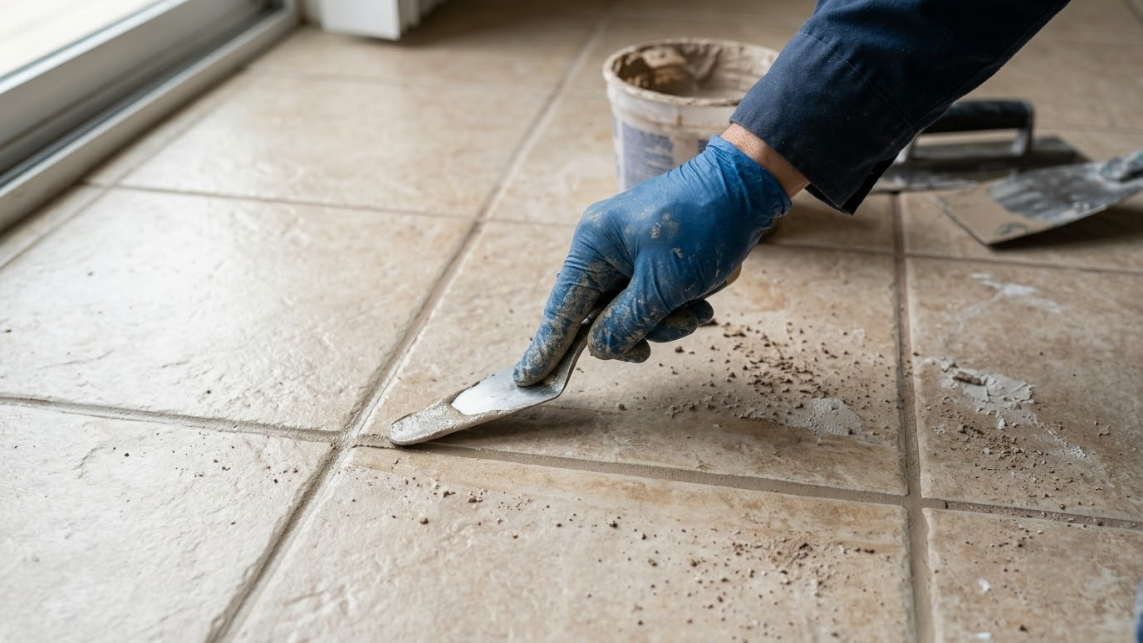
Solid Underfoot Again Without Lifting a Single Tile
Industry standards call for at least 80 percent mortar coverage behind tile in dry interior areas, with individual voids no larger than about two square inches and every corner fully supported. Fall short of that and the tile eventually announces it, clicking underfoot and sounding hollow when tapped. Groutsmith Maryland performs floor tile re-bonding across Baltimore, MD and the neighboring communities, securing loose and hollow tile in kitchens, hallways, entryways, bathrooms, and sunrooms without any demolition at all.
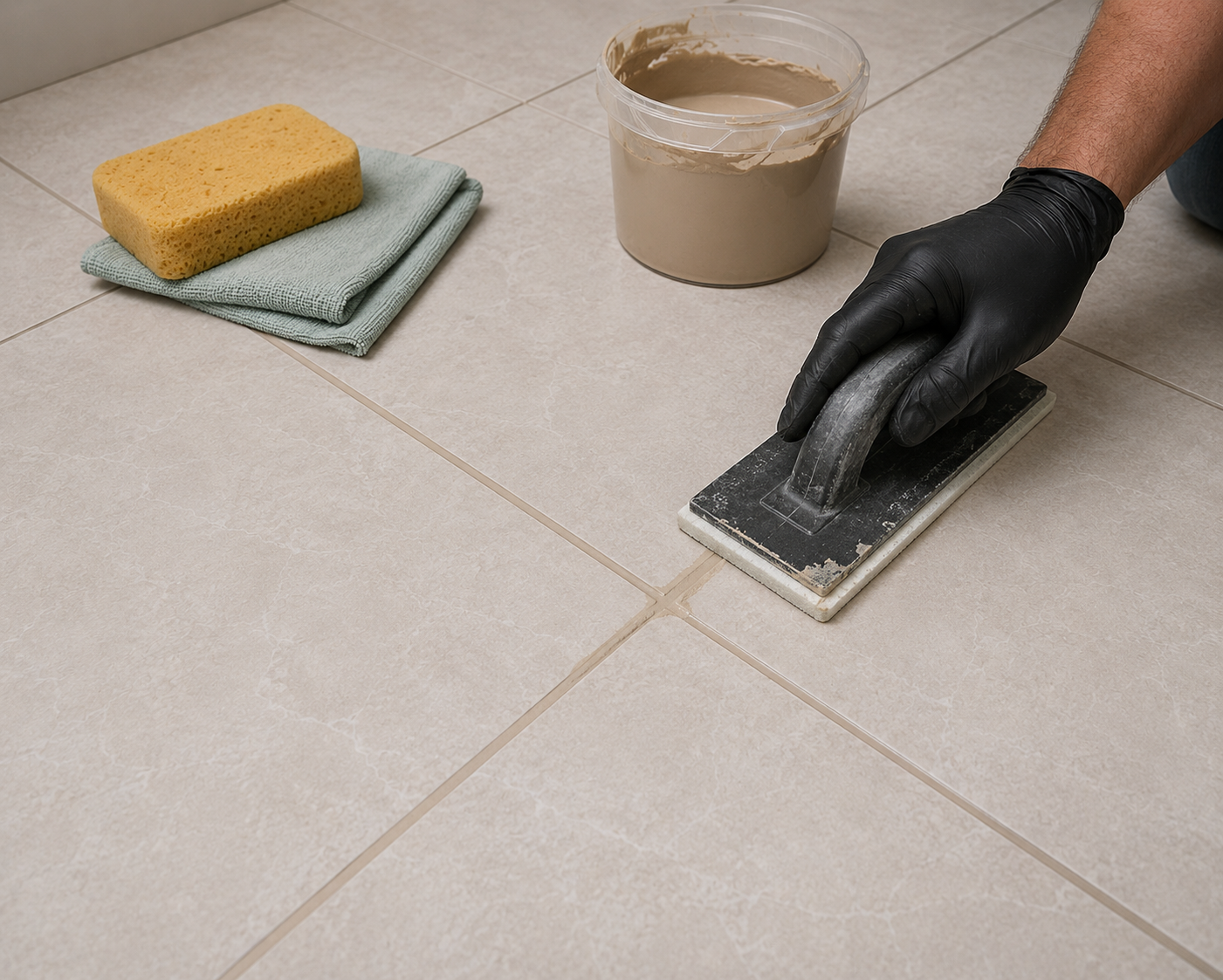
The procedure is precise rather than dramatic. Small holes are made through the grout joints, our proprietary adhesive is injected to fill the voids beneath the tile, and the piece is bonded back down to the subfloor where it belongs. Once everything sets, the affected joints are repaired and color matched so nothing about the process remains visible afterward. Sealing can follow on a later visit. Request a free estimate through our contact page to have your floor assessed.
Our Floor Tile Re-Bonding Services in Baltimore, MD
Hollow Tile Detection and Mapping
Before anything is drilled, the floor is sounded across its full area to find every void rather than only the tiles you already noticed. That map determines where injection is needed and how much of the floor genuinely requires attention.
Adhesive Injection Re-Bonding
Proprietary adhesive is introduced through the joint and spreads into the gap between the tile and the subfloor beneath it. Filling that void properly is what returns a solid feel underfoot instead of merely tacking down the tile's edges.
Loose Tile Re-Bonding
Pieces that shift, rock, or lift at a corner are re-secured in place rather than pried up and reset. Keeping the original tile avoids the matching problem entirely, which matters most whenever the material has been discontinued for years.
Grout Repair and Color Matching After Injection
The joints used for access are rebuilt once the adhesive has cured, then matched to the color of the surrounding grout. Done properly, there is no visible evidence left behind of where any of the injection points were placed.
Threshold and Edge Tile Re-Bonding
Tiles at doorways, thresholds, and floor perimeters loosen first because they take concentrated traffic and sit at the edge of the installation. Securing those pieces early prevents the progressive loosening that otherwise spreads inward across the rest of a floor.
Shower and Wet Area Tile Re-Bonding
Loose tile inside a wet area is more urgent, since every void behind it holds water against the substrate. These repairs are handled with materials suited to constant moisture, then sealed to keep water out of the assembly.
Why Choose Us for Floor Tile Re-Bonding
Sounding the Floor Before Any Drilling
Guessing at which tiles are loose produces unnecessary holes and missed voids in equal measure. Tapping the entire area first establishes exactly where the problems are, so the work stays targeted and the rest of the floor is untouched.
Injection Through the Joint, Never the Tile
Access happens through grout lines that will be rebuilt afterward, not through holes drilled into the face of your tile. That distinction is the whole reason a completed re-bonding job leaves no trace once the joints are finished.
Voids Filled Rather Than Edges Tacked
Adhesive is introduced until the gap beneath the tile is genuinely filled, because a piece held only at its corners will loosen again. The goal is full support underneath, which is what the original installation was supposed to provide.
Grout Restored to Match Its Surroundings
Every access point is rebuilt and color matched against the aged grout beside it, since a row of pale patches would simply trade one visible problem for another. The finished floor should look untouched, and that is the standard.
A Real Alternative to Tearing Out the Floor
Loose tile is routinely quoted as a replacement job because replacement is straightforward to sell. Re-bonding preserves the original material, finishes in a fraction of the time, and costs far less than removing and reinstalling an entire room.
A Free Assessment of the Whole Floor
The evaluation covers the full area rather than the one spot that prompted your call, since voids rarely occur in isolation. You receive a written price along with a clear picture of what is actually happening beneath the surface.
Loose Tile Is Rarely the Emergency It Sounds Like
That hollow click underfoot has a way of suggesting the whole floor is failing, which is exactly the impression a replacement quote tends to reinforce. In practice most loose tile is a void that can be filled, with the original material staying precisely where it was set.
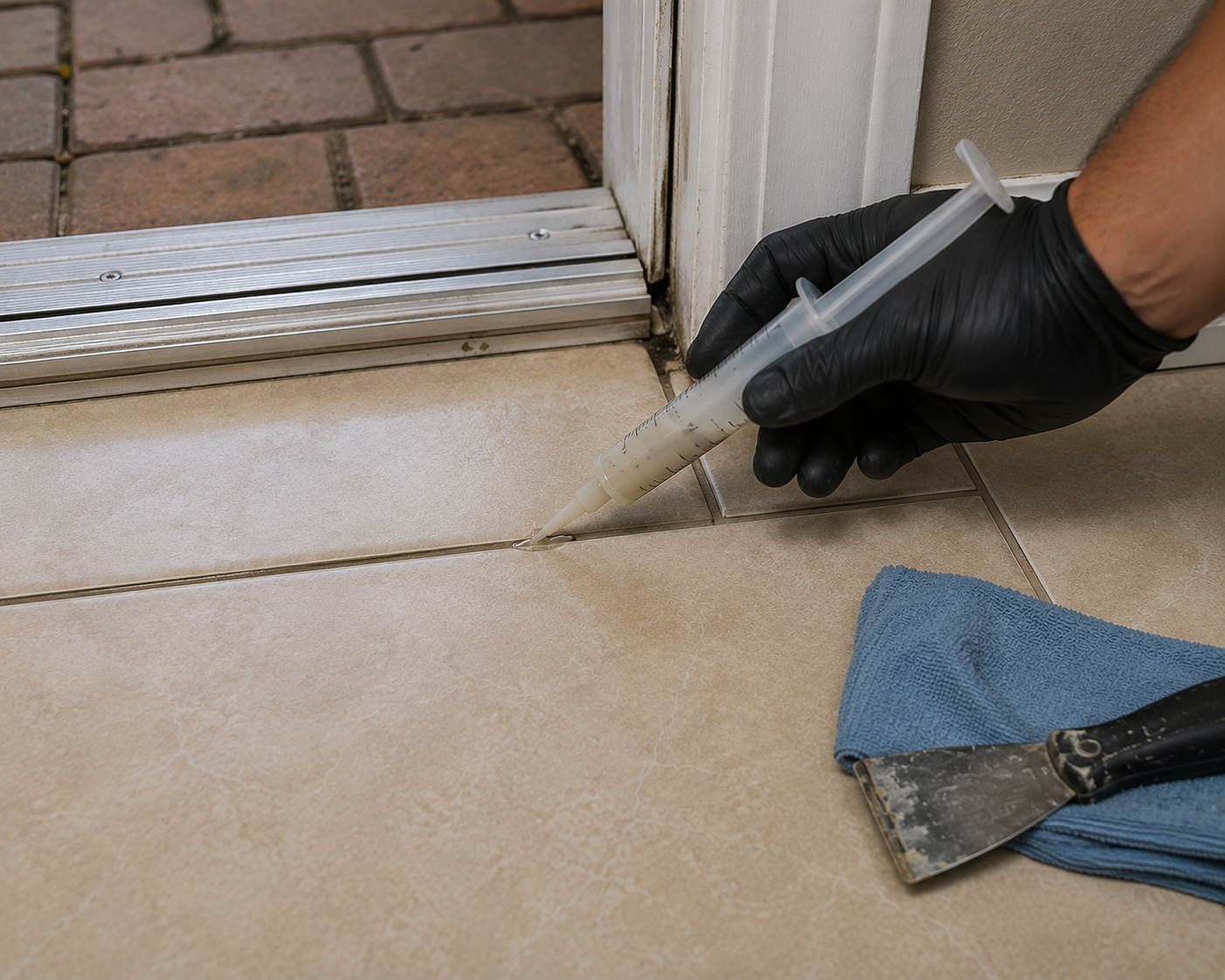
Groutsmith Maryland re-bonds floors across Baltimore, MD using injection through the grout lines, then rebuilds and color matches the joints so nothing about the repair shows. If a section of your floor has started moving or sounding hollow, request a free estimate through our contact page and we will sound the whole area.
Testimonials
What our customers have to say...
Frequently Asked Questions
Why do my floor tiles sound hollow?
A hollow sound means empty space between the tile and the substrate, usually from insufficient mortar coverage during installation. Other causes include a substrate that moved, moisture that broke the bond, or adhesive that skinned over before the tile was set.
Do hollow-sounding tiles always need to be replaced?
No. A hollow sound alone is not a failure, and many such tiles remain firmly bonded for decades. Replacement or re-bonding only becomes appropriate once tiles begin to move, click, crack, or show grout failing around their edges.
How does tile re-bonding actually work?
Small access holes are placed in the grout joints, adhesive is injected to fill the void under the tile, and weight settles the piece back into full contact. The joints are then rebuilt and color matched once curing is complete.
Will the injection holes be visible afterward?
They should not be. Access is made through the grout rather than the tile, and those joints are rebuilt and color matched as part of the same job. Groutsmith Maryland finishes Baltimore, MD floors so the repair reads as invisible.
How long does re-bonded tile stay secure?
When the void is genuinely filled and the substrate is stable, re-bonded tile lasts as long as tile that was set correctly to begin with. Ongoing movement in the subfloor is the one factor that shortens that considerably.
Can loose tile be fixed if the tile itself is cracked?
Cracked pieces need replacing rather than re-bonding, though the two are frequently combined in one visit. Groutsmith Maryland re-bonds the sound tiles and replaces the broken ones across Baltimore, MD, then grouts everything back to a consistent finish.
How soon can the floor be walked on after re-bonding?
Light traffic is generally fine within a day, with full use and heavy furniture waiting until the adhesive has cured completely. Rushing that window can easily break the fresh bond before it has reached anything like its working strength.
Does hollow tile mean the floor was installed incorrectly?
Often, though not always. Insufficient mortar coverage is the most frequent explanation, but substrate movement, moisture, and simple age also create voids in installations that were genuinely done to standard at the time they were originally laid down.